
Piano Moving in Tucson: What You Need to Know Before Moving Day
Why Moving a Piano Is Nothing Like Moving Furniture
A sofa can be tipped, slid, and muscled through a doorway. A piano cannot. Whether you have a spinet tucked in a spare bedroom or a grand sitting in a formal living room, the physics of moving one safely are genuinely different from anything else in your home. The weight alone — anywhere from 400 to over 1,200 pounds depending on the model — makes improvised solutions dangerous. Add in the instrument’s internal string tension, delicate hammers, and finish that scratches if you look at it wrong, and you start to understand why specialty piano moving is its own category of service.
Residents along South Dodge Boulevard and the neighborhoods surrounding it know this area well. Streets here can run narrow, driveways slope unexpectedly, and the kind of tight turns you find near Ideal Missionary Baptist Church on Dodge are exactly the situations that catch underprepared crews off guard. A professional moving crew that works with pianos regularly will assess the path before a single piece of equipment comes off the truck.
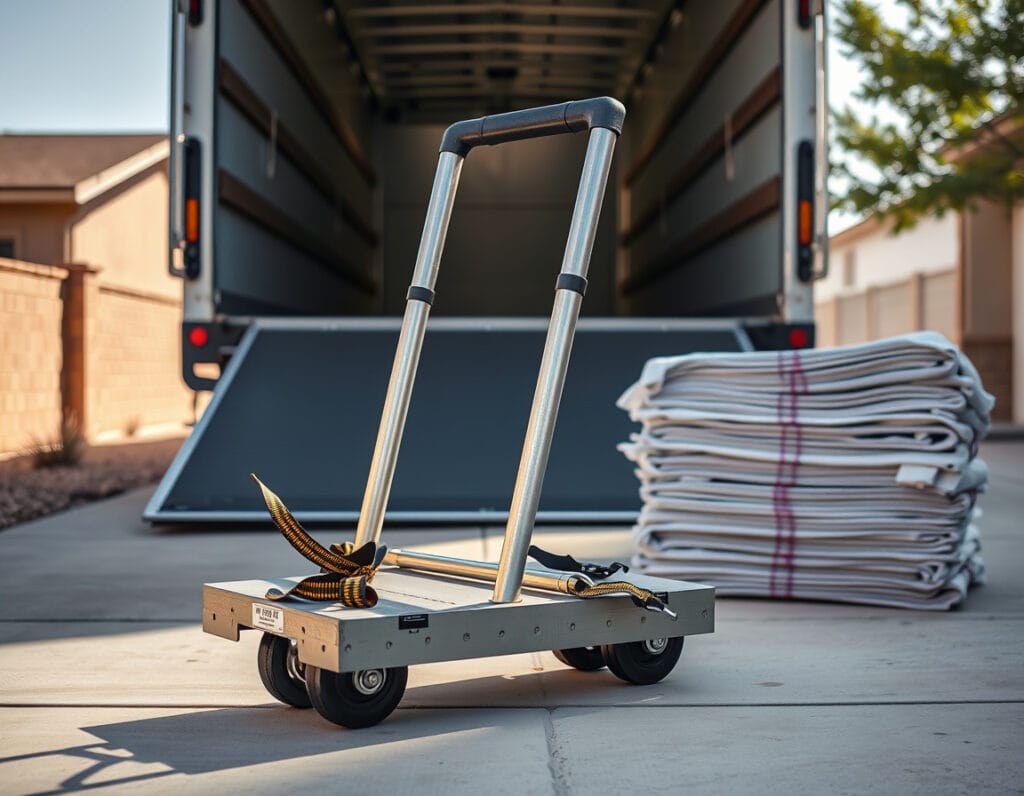
If you’ve been searching for moving services that handle specialty items, it’s worth understanding what separates a piano move done right from one done fast. Proper equipment includes a heavy-duty piano dolly, thick moving blankets, and industrial-grade shrink wrap to protect the finish. Crews should also use door jamb protectors and floor protection to avoid collateral damage on the way out. None of that is optional.
Grand Pianos vs. Uprights: The Logistics Are Completely Different
An upright piano moves vertically. You can use a hand truck and a ramp in most cases, though staircases and tight hallways require more planning. A grand piano has to be disassembled. The legs come off. The lid comes off. The body gets tilted onto a specialized skid board and wrapped before it goes anywhere. Reassembly at the destination requires the same care in reverse. If a crew has never done this before, it shows immediately, and the instrument pays the price.
Baby grands — which are common in Tucson homes west of Interstate 10 and south toward the airport corridor — sit in that middle ground where owners sometimes underestimate the complexity. The footprint is smaller than a concert grand, but the disassembly process is nearly identical. Always ask a moving company directly whether their crew has handled grand piano transport before, and ask how many moves like yours they complete in a typical month.
What the Move-Day Process Actually Looks Like for a Piano
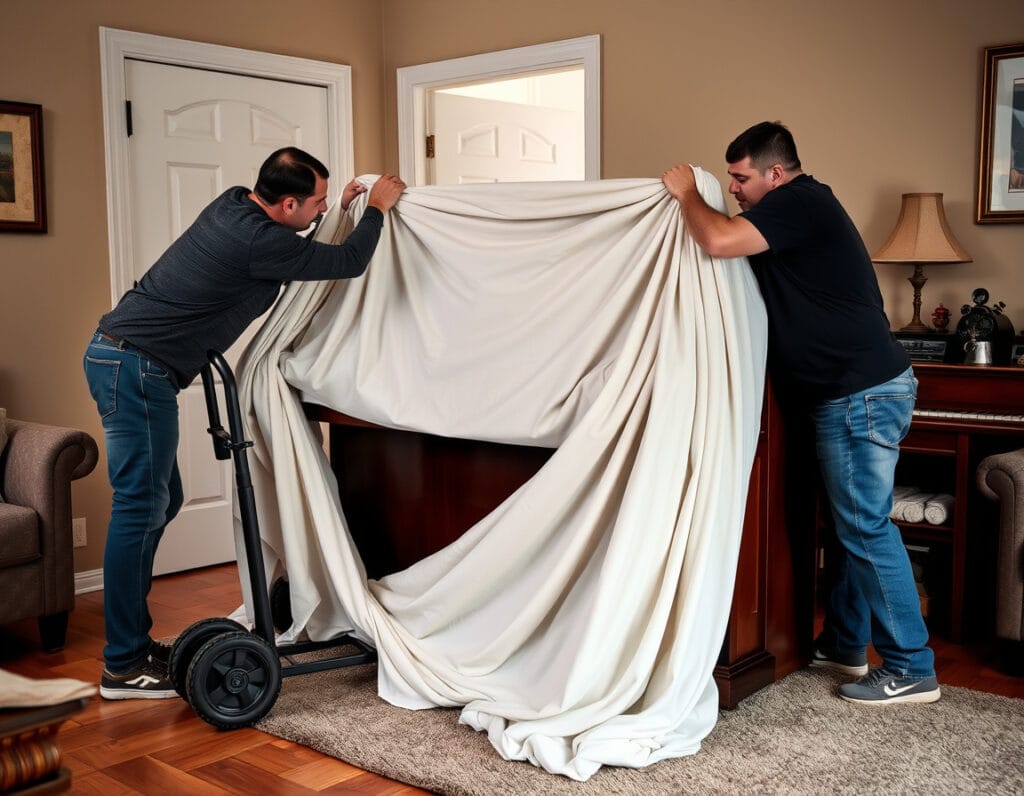
The day of the move starts with a walkthrough. The foreman should measure doorways and hallways, identify any elevation changes, and confirm the path to the truck is clear. For homes near 22nd Street or along the South Tucson grid where older construction means non-standard doorframe widths, this step is not a formality. It determines whether the piano exits through the front door or a side access point.
Once the path is confirmed, the crew wraps the piano completely. Keys get covered. Pedals get padded. The finish gets a full layer of moving pads before any straps go on. On the truck, the piano rides secured against the cab wall — never stacked near other items that could shift. The loading dock or driveway situation at the destination gets scouted in advance if possible.
After delivery, the instrument should be allowed to acclimate to the new space before tuning. This is especially relevant in the desert climate here, where the humidity difference between a climate-controlled truck and a home can affect the soundboard. Most piano technicians recommend waiting two to four weeks after a move before scheduling a tuning. For more on what to expect throughout the process, the moving day coordination guide from E-Z Move Tucson walks through the full sequence in detail.
Storage Between Moves: Keeping Your Piano Safe
Sometimes a piano move isn’t point-to-point. Renovations, temporary housing, or a gap between leases can mean the instrument needs to go into storage for weeks or months. Not every storage unit is appropriate for a piano. Temperature swings in non-climate-controlled facilities in this part of Arizona can warp the soundboard and cause tuning pins to loosen. Always ask specifically about climate-controlled storage options when you book.
If you need a short-term hold between moves, look into dedicated storage solutions designed for household goods. The key questions: Is humidity controlled? Is there a loading dock for easy access? And how does the facility handle items that require a specialized dolly for entry and exit? These details matter more than square footage.
The piano movers in Tucson at E-Z Move Tucson work with storage options that account for climate sensitivity, which is a detail generic self-storage facilities won’t think to mention.
Protecting Your Investment: Insurance, Valuation, and Claims
Pianos are not just heavy furniture. A quality upright can run $3,000 to $10,000. A mid-range grand can exceed $30,000. That changes the conversation around moving insurance significantly. Standard released-value protection, which most movers include by default, covers items at $0.60 per pound. On a 700-pound piano, that’s $420. If something goes wrong, that number won’t come close to covering the repair or replacement cost.
Ask every mover you speak with what valuation options they offer for high-value specialty items. Full-value protection is the standard you want. It means the mover is responsible for repair, replacement, or a cash settlement at current market value. You can also purchase a separate third-party moving insurance policy for additional coverage. The moving insurance overview on the E-Z Move Tucson site explains the difference between these options clearly, including what a bill of lading should spell out before you sign anything.
If damage does occur, the process of filing against the mover has specific steps and timelines. The claims process page covers what documentation you’ll need and how to file correctly so a legitimate claim doesn’t get dismissed on a technicality.
One more thing worth knowing: Arizona’s Arizona Revised Statutes Title 44 consumer protection provisions give you rights when dealing with moving companies operating within the state. Understanding those before you sign a contract is smart, not paranoid. The FMCSA consumer protection guide for household moves is also worth a read if any part of your move crosses state lines.
Frequently Asked Questions About Piano Moving Near South Dodge
How far in advance should I book a piano move in the Tucson area?
For local moves, booking two to three weeks out gives you enough time to confirm the crew has piano-specific experience and equipment. If your move coincides with the end of a month or a summer moving peak, four weeks is safer. Piano moves require specialized equipment and trained crew members, so last-minute availability is genuinely limited compared to standard residential moves.
Do movers disassemble a grand piano, or do they move it whole?
A grand piano must be partially disassembled before transport. The legs and pedal lyre are removed, and the body is tilted onto a specialized skid board for wrapping and loading. This is standard practice for any reputable crew handling grands. If a mover tells you they can move a grand without disassembly, that is a red flag worth taking seriously.
Will moving my piano affect how it sounds or how it needs to be tuned?
Yes, any move affects tuning. The vibration of transport, combined with humidity and temperature changes between locations, causes the pitch to shift. This is completely normal and not a sign of damage. Piano technicians generally recommend waiting two to four weeks after a move before tuning, allowing the instrument to settle into the new environment. In the Tucson climate, where indoor and outdoor humidity can vary significantly by season, this waiting period is especially worth respecting.
Ready to get your piano moved without the stress? E-Z Move Tucson has the crew, equipment, and experience to handle your instrument carefully from origin to destination. Whether you’re relocating a few miles near South Dodge Boulevard or heading across the metro toward Rincon Heights or further out toward Oro Valley, the process starts with a single call. Get in touch through the contact page and let the team know what type of piano you have, the pickup address, and any access details that might affect the move. The more specific you are upfront, the smoother the day goes.