
Commercial Moving in Tucson: What Businesses Need to Know Before Move Day
What Tucson Businesses Actually Deal With When They Move
Relocating a business is nothing like moving an apartment. You’re not just hauling furniture — you’re managing IT equipment, workstations, filing systems, signage, inventory, and the clock pressure of minimizing downtime. Every hour your office sits in boxes is an hour your staff can’t work and your clients can’t reach you. That pressure is real, and it’s why commercial moving demands a completely different level of coordination than a standard residential job.
The southwest side of Tucson, particularly the corridors running off Ajo Way and along the South Tucson border, has seen steady commercial growth over the past several years. Businesses near the intersection of Irvington Road and Mission Road, warehouses tucked along Valencia Road, and office suites near the Midvale Park area all face the same challenge: finding a licensed, insured moving crew that actually understands commercial logistics. That means coordinating loading dock access, handling heavy office furniture on tight timelines, and protecting flooring and door jambs in leased spaces where damage costs come out of your deposit.
For families near Lulu Walker Elementary School on West Roller Coaster Road who run small businesses out of their homes or need to relocate a home office setup alongside a residential move, the intersection of commercial and residential needs adds another layer. A crew that only knows how to stack boxes won’t cut it.
The Downtime Problem Is the Real Cost
Business owners often fixate on the quote. The bigger number, though, is usually the revenue lost during a botched or slow move. A commercial move that runs a day over schedule because the crew showed up without enough hand trucks, or because nobody confirmed the elevator reservation at the new building, can cost thousands. Planning matters more than price.
That’s why it helps to work with a crew that asks the right questions upfront: How many flights of stairs? Is there a loading dock at the destination? What’s the square footage of the new space? Do any items need disassembly and reassembly on-site? A good bill of lading and a detailed inventory list before the first box is touched sets the whole job up differently than a vague verbal agreement.
Office and Commercial Moves Around the Midvale Park and Ajo Way Corridor

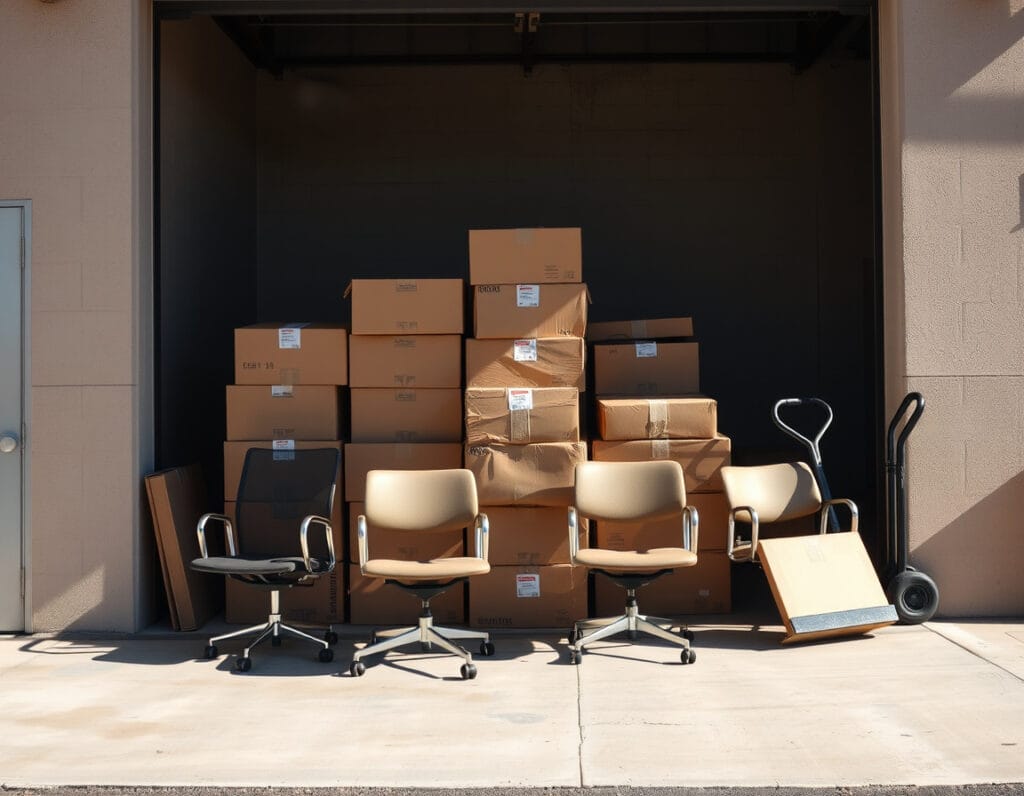
The area around Midvale Park, stretching south toward Drexel Road and west toward Kinney Road, has a mix of light industrial, small office, and retail space. Businesses here deal with specific logistical quirks: narrow driveways, limited street parking for a moving truck, and neighboring businesses that don’t love having a van parked across shared lots for six hours. That’s not a complaint — it’s just the reality of commercial strips that weren’t built with moving day in mind.
A professional moving crew that knows the area will plan around those constraints. They’ll confirm parking permits if needed, communicate with building management ahead of time, and bring the right equipment. Dollies and hand trucks get used constantly on commercial jobs. So do moving blankets, shrink wrap, and floor protection — especially on jobs where the lease agreement holds the tenant responsible for any damage to the property.
Timing Your Move to Protect Your Business Operations
Most commercial clients want to move on a weekend or after hours to avoid disrupting their workday. That’s smart. But it also means your crew needs to be reliable and experienced enough to execute without supervision breathing down their necks. You shouldn’t have to babysit a professional crew at 7 PM on a Saturday. Look for movers who can provide a clear schedule, confirm the crew size ahead of time, and give you a real point of contact — not just a dispatcher — on move day.
If your business is relocating to a different part of the metro, say from the south side over toward Oro Valley or out to Marana where commercial development has been active, the distance and route planning matter too. Fuel surcharges, crew travel time, and load weight all factor into the final invoice. Getting a written quote that breaks these out clearly protects you from surprises on moving day.
What to Look for in a Commercial Moving Company
Not every moving company that handles residential jobs is equipped for commercial work. The differences matter. Commercial moves often involve IT equipment and server racks that need careful packing, modular furniture that requires disassembly and reassembly, and strict delivery windows tied to lease start dates. Some businesses also need temporary storage solutions between their old and new locations, which adds another layer of coordination.
When you’re vetting a moving company for a commercial job, ask directly: Do you carry commercial liability coverage? Can you provide a certificate of insurance for my building manager? How many crew members will be on-site, and who is the foreman? These aren’t aggressive questions — any reputable, licensed mover will answer them without hesitation. If you get vague answers, that’s useful information too.
You should also check whether the company has experience with your specific type of business. Moving a medical office is different from moving a law firm. Moving a retail location with shelving fixtures is different from relocating a tech startup. Ask for references from similar commercial clients, or look through verified reviews. The FMCSA’s Protect Your Move resource is a solid starting point for understanding what licensing and insurance requirements a moving company must meet before you sign anything.
Packing Services and What They Cover on Commercial Jobs
Some businesses handle their own packing to save money. That can work for standard office supplies and files, but specialized equipment — monitors, printers, fragile items, anything with a warranty that could be voided by improper handling — is usually worth having packed professionally. Good commercial movers bring the right materials: dish packs for breakables, wardrobe boxes for hanging materials, crates for fragile or high-value items, and enough bubble wrap and packing tape to actually do the job right. If you’re considering packing and unpacking services, confirm what’s included in the quote and what’s charged separately.
You can also look at available current coupons and discounts to offset some of the cost. Commercial moves don’t have to mean paying full retail on every service.
Frequently Asked Questions About Commercial Moving in Tucson
How far in advance should I book a commercial move?
For most commercial moves, four to six weeks of lead time is a reasonable minimum. If you’re moving at the end of the month or on a weekend during a busy season, you may need even more runway. Commercial jobs require more coordination than residential ones — building access, elevator reservations, crew size, and equipment all need to be confirmed well ahead of move day. Booking early also gives you time to get multiple quotes and compare them properly rather than rushing into a contract.
Will my business equipment be covered if something gets damaged during the move?
That depends on the moving company’s valuation coverage and your own business insurance policy. Standard released-value protection, which is the default if you don’t specify otherwise, only covers items at a fraction of their actual value. For high-value commercial equipment, it’s worth asking your mover about full-value protection or checking whether your business policy covers items in transit. You can review how the claims process works through the claims page before you sign a contract so you understand your options upfront. The City of Tucson’s business resources page also has useful contacts for local licensing and regulatory questions.
Can a commercial moving crew handle IT and server equipment?
Some can, some can’t. The honest answer is that general-purpose moving crews are not IT specialists, and if you have a server rack, networked equipment, or sensitive electronics, you may want your IT team to handle the disconnection and reconnection while the movers handle the physical transport. What a good commercial crew can do is pack and move that equipment safely using the right materials and handling techniques. Always ask the moving company directly about their experience with electronics and what packing methods they use for delicate items.
Whether you’re consolidating offices on the south side, relocating a small business near the Midvale Park corridor, or planning a larger commercial transition across the metro, working with a crew that treats your timeline and equipment with respect makes all the difference. E-Z Move Tucson handles commercial jobs with the same attention to detail you’d expect for your most important assets. Reach out through the contact page to talk through your move requirements, or visit the full moving services page to see what’s covered. Your move date won’t wait, and neither should your planning.