
Piano Moving in Tucson: What Every Homeowner Needs to Know Before Moving Day
Why Piano Moving in Tucson Requires a Specialist, Not a Standard Crew
A piano is not furniture. It looks like it should be movable with a few strong people and a dolly, but anyone who has tried to haul a baby grand down a flight of stairs near the South Tucson corridor knows how quickly that plan falls apart. The average upright weighs between 400 and 900 pounds. A grand piano can push well past 1,200 pounds depending on the model. The mechanics inside are precision-calibrated, and the cabinet can crack or warp if the instrument is tilted incorrectly during transport.
The neighborhoods surrounding the South 12th Avenue and Ajo Way area, including Barrio Histórico and the residential streets running toward Drexel Road, have a mix of older bungalows and newer builds. Doorways in those older homes are notoriously narrow, and hallways rarely accommodate a full-size upright without careful maneuvering. That is where specialty piano moving becomes less of a luxury and more of a necessity.
Pianos are also vulnerable to Tucson’s climate. Summer temperatures regularly exceed 105°F, and a piano left in an unventilated moving truck for even a short period can suffer glue joint separation, warped soundboards, and string tension problems. A crew that handles pianos regularly knows to schedule moves during cooler morning hours and uses moving blankets and climate-conscious loading sequences to protect the instrument during transit.
If you want to see what a full-service residential relocation looks like when pianos are part of the picture, the residential moving services page breaks down how specialty items are handled alongside standard household goods.
The Physical Challenges Specific to This Part of the City
Road Access and Property Layouts Near the Coordinate
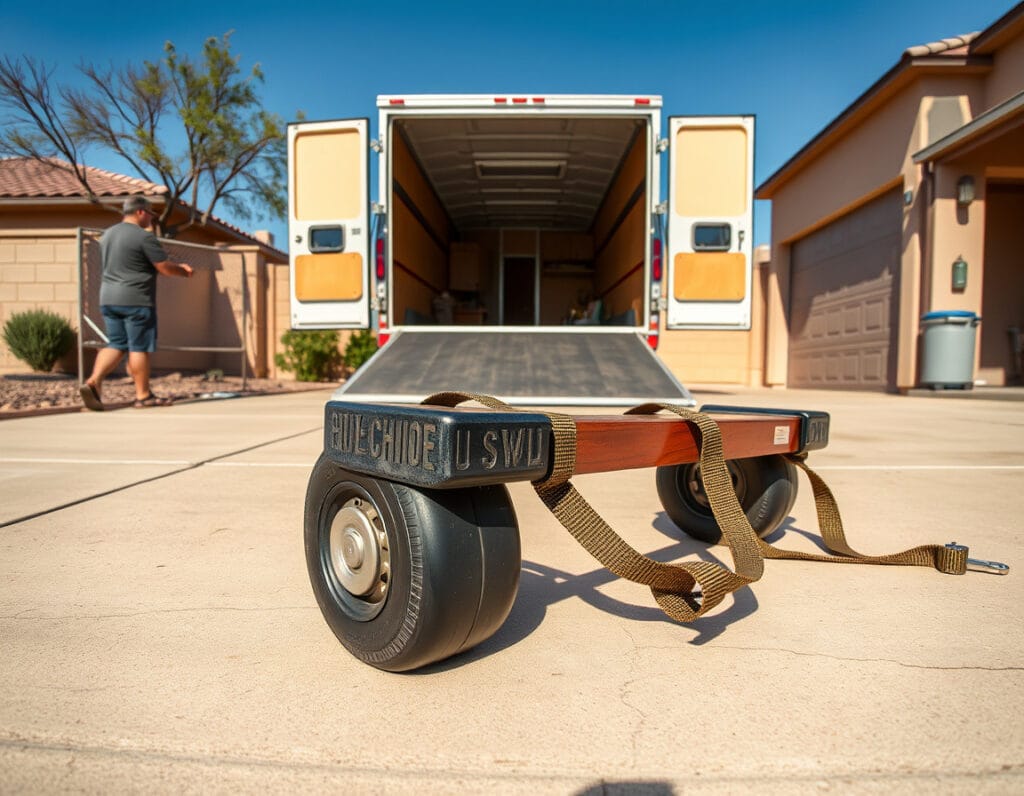
The area around the intersection of South 12th Avenue and West Irvington Road presents some real logistical puzzles. Driveways on many residential streets here are short and slightly elevated, which means a large moving truck may need to park on the street and use extended ramps or a dolly bridge to reach the front door. Tight turns off Ajo Way onto side streets can make backing a van or trailer tricky, especially if there are cars parked on both sides.
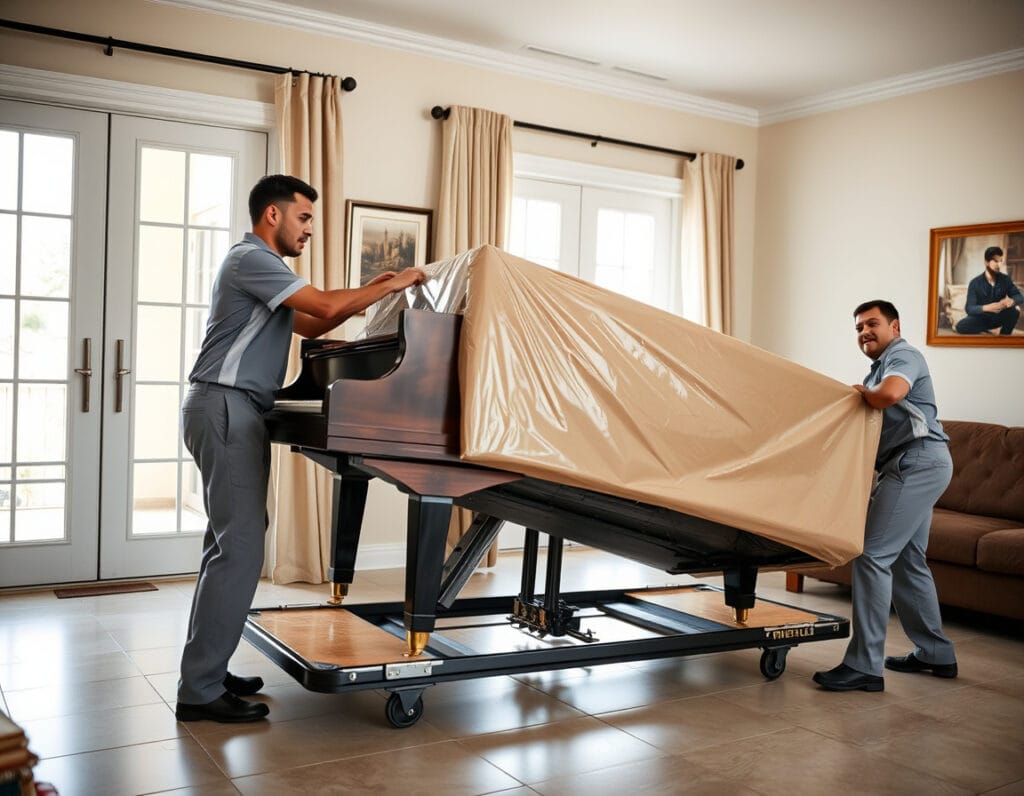
Further south toward Valencia Road, properties tend to have more driveway clearance, but the lots can include decorative tile steps or iron railings that complicate piano removal from interior rooms. Every one of these variables needs to be assessed before a crew arrives with equipment. A qualified piano moving crew does a pre-move site assessment, measures doorways, checks for low-hanging light fixtures, and determines whether the piano needs to be partially disassembled before it can exit the home safely.
Partial disassembly typically means removing the legs and pedal lyre on a grand piano. For uprights, the process is simpler, but the weight distribution shifts in ways that require experienced handling. The crew uses a specialized piano board rather than a standard hand truck, because a hand truck concentrates force in ways that can crack the cabinet base.
Weight, Stairs, and the Case for Proper Equipment
Stair fees exist for a reason. Moving a spinet up or down even four steps multiplies the physical risk considerably. The streets near Barrio Histórico sometimes have exterior stairs leading to second-floor units, and the interior layouts of older homes in that area rarely have the straight-line access that makes stair work manageable. A reputable moving crew carries rubber-edged piano skids, corner protectors, and enough personnel to rotate positions during a carry without losing control of the load.
For residents near the University of Arizona campus who need piano relocation services, the older two-story homes common to that corridor create similar stair challenges. The University of Arizona area moving services page covers what to expect when navigating those specific property types.
According to the Piano Technicians Guild, pianos should be tuned after every move due to changes in string tension during transport. That is worth factoring into your total relocation budget, and a good moving company will mention it proactively rather than leave you to discover it later.
What to Ask Before You Book a Piano Move
Licensing, Insurance, and Valuation Coverage
Not every moving company that says it can handle a piano has the training or equipment to back that up. Before you sign any contract or pay a deposit, ask the company directly: do they carry specific liability coverage for musical instruments? Standard released-value protection, which defaults to around $0.60 per pound, is almost useless for a piano worth several thousand dollars. A 500-pound instrument would yield a maximum $300 payout under that rate. You want full-value coverage or a separate valuation add-on that reflects the actual replacement cost.
Also confirm the crew is licensed and insured in Arizona. You can verify a mover’s operating authority through the Arizona Department of Transportation. If a company cannot produce license documentation on request, that is a clear signal to look elsewhere. The licenses and credentials page shows what legitimate documentation looks like for a compliant Arizona moving operation.
Ask about the bill of lading and whether the piano will be listed as a specific inventory item with its make, model, and pre-move condition noted. If the piano is damaged during the move, that documentation is what makes a claim viable. A reliable company handles this paperwork without being asked.
Scheduling Around Tucson’s Heat Windows
Peak summer moves in this area run from May through September. During those months, scheduling a piano move for midday is asking for trouble. The instrument sits in a truck that can reach interior temperatures of 130°F or more while parked on a sun-exposed street near Drexel Road or Valencia Road. Morning slots, ideally before 10 a.m., are the gold standard for protecting a piano during an Arizona summer move.
If your move requires temporary storage between pickup and delivery, ask specifically whether the storage facility is climate-controlled. A piano in a standard non-cooled unit for even two or three days can drift significantly in pitch and, in severe cases, suffer structural damage. The storage solutions in Tucson page outlines what climate-controlled options look like for sensitive items like pianos and antiques.
E-Z Move Tucson crews are familiar with the heat windows that matter for instrument safety and schedule accordingly. That kind of operational awareness is the difference between arriving at your new home with a playable piano and arriving with a costly repair bill.
Frequently Asked Questions About Piano Moving
How much does it cost to move a piano in the Tucson area?
Piano moving costs vary based on the type of piano (upright, baby grand, or concert grand), the distance of the move, and the complexity of the pickup and delivery locations. Local moves for an upright typically range from $250 to $600, while grand pianos can run $400 to $1,000 or more depending on access challenges like stairs or narrow doorways. Long-distance moves carry additional costs. Getting a specific quote based on your piano type and property details is the only way to get an accurate figure. Check the coupons and current offers page for any available discounts on specialty moves.
Does a piano need to be tuned after it’s moved?
Yes, in almost every case. The vibration and movement during transport shifts string tension enough that the instrument will be noticeably out of tune after arrival. Climate changes between the origin and destination can also cause the soundboard to expand or contract slightly, affecting pitch. The Piano Technicians Guild recommends waiting two to four weeks after a move before scheduling a tuning, allowing the piano time to acclimate to its new environment’s humidity and temperature levels before the strings are adjusted.
Can a standard moving crew handle a piano, or do I need a specialist?
A general moving crew can physically move a piano, but without the right equipment and technique, the risk of damage to the instrument and injury to the crew increases significantly. Piano-specific equipment includes piano boards, rubber skids, corner protectors, and heavy-duty moving straps rated for the instrument’s weight distribution. Specialist crews also know how to manage partial disassembly on grand models and how to navigate awkward entry points. For an instrument that may represent thousands of dollars in value, booking a crew with documented piano moving experience is the practical choice. You can review what E-Z Move Tucson’s piano moving service includes before making your decision.
Moving a piano is one of those tasks where the margin for error is genuinely small. The right crew, the right equipment, and the right timing make an enormous difference in whether the instrument arrives in playable condition. E-Z Move Tucson has handled piano relocations across the area’s range of property types, from tight historic bungalows near Barrio Histórico to newer builds with better access off Valencia Road. If you are planning a move that includes a piano, reach out through the contact page to discuss the specifics of your instrument and location before booking.