
Specialty Item Moving in Tucson: What You Need to Know Before the Truck Arrives
Why Specialty Items Demand a Different Kind of Move
Most moves come with a checklist: boxes, tape, a truck, and a crew. But the moment a piano, antique armoire, large aquarium, or grandfather clock enters the picture, that checklist gets a lot more complicated. Specialty item moving is a category all its own, and it’s one that generic hauling services routinely underestimate. The result? Scratched finishes, cracked soundboards, and broken irreplaceables that no receipt can fix.
The area around South Mission Road has a mix of established households, faith communities, and longtime residents who have accumulated exactly the kinds of belongings that require extra care. Neighbors near the Tucson Fire Department Station 15 on South Mission Road and families in the Enchanted Hills neighborhood know what it means to have a home full of things that matter. These aren’t just objects. They carry value, memory, and in many cases, serious monetary worth.
The difference between a standard residential crew and a specialty-trained moving team comes down to equipment, technique, and experience. Custom crating for fragile items, moving blankets rated for heavier loads, piano boards, and furniture sliders designed for specific floor types are not optional extras. They’re the baseline for doing the job right.
What Counts as a Specialty Item?
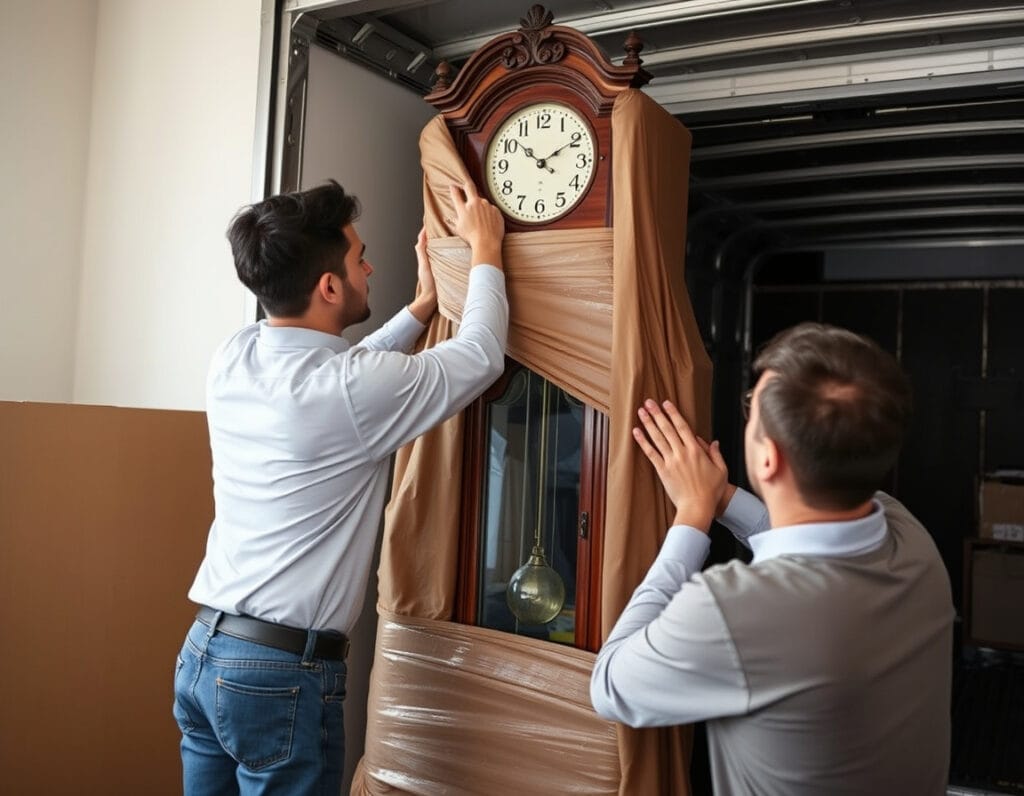
The term gets used loosely, but in practical terms, a specialty item is anything that requires disassembly, custom crating, weight-specific rigging, or a crew trained to handle its specific risk profile. That includes pianos and organs, pool tables, gun safes, grandfather clocks, artwork, sculptures, large mirrors, antiques, and certain high-end appliances. If it costs more to replace than the average month’s rent, it probably falls in this category. You can see a breakdown of how these services work on E-Z Move Tucson’s packing and unpacking services page.
The Physical Realities of Moving Heavy and Fragile Items in This Part of Tucson
Geography matters more than most people realize when you’re moving something with real weight or fragility. The streets near South Mission Road and the surrounding grid of residential lanes can narrow quickly, and driveways off of Ajo Way and West Irvington Road vary from wide and flat to tight and sloped. A loading dock setup that works fine at one address may be completely wrong at another half a mile away.
Then there’s the heat. Tucson summers push into the 100s for weeks at a time, and heat affects materials in ways movers who work in cooler climates never have to consider. Wood warps. Adhesives loosen. Piano strings and soundboards are especially sensitive to rapid temperature changes. Transporting a piano from a climate-controlled home into a hot truck without proper thermal management can cause damage that shows up days later. This is why move timing, truck ventilation, and padding strategy all matter for specialty loads during Tucson’s summer months.
For residents relocating from or to communities near the Kingdom Hall on South San Antonio Drive or households heading toward the Marana corridor, the route itself is part of the planning. Road surfaces, stop-and-go sections on Mission Road, and bridge crossings all affect how a crated antique or an upright piano rides in the back of a van. Proper load securing and weight distribution aren’t just good practice. They’re the reason items arrive intact.
If you’re heading north toward Marana, the crew needs to know what’s in the truck. Check out the Marana service area page for specifics on routes and scheduling in that corridor.
Floor Protection and Door Frame Clearance
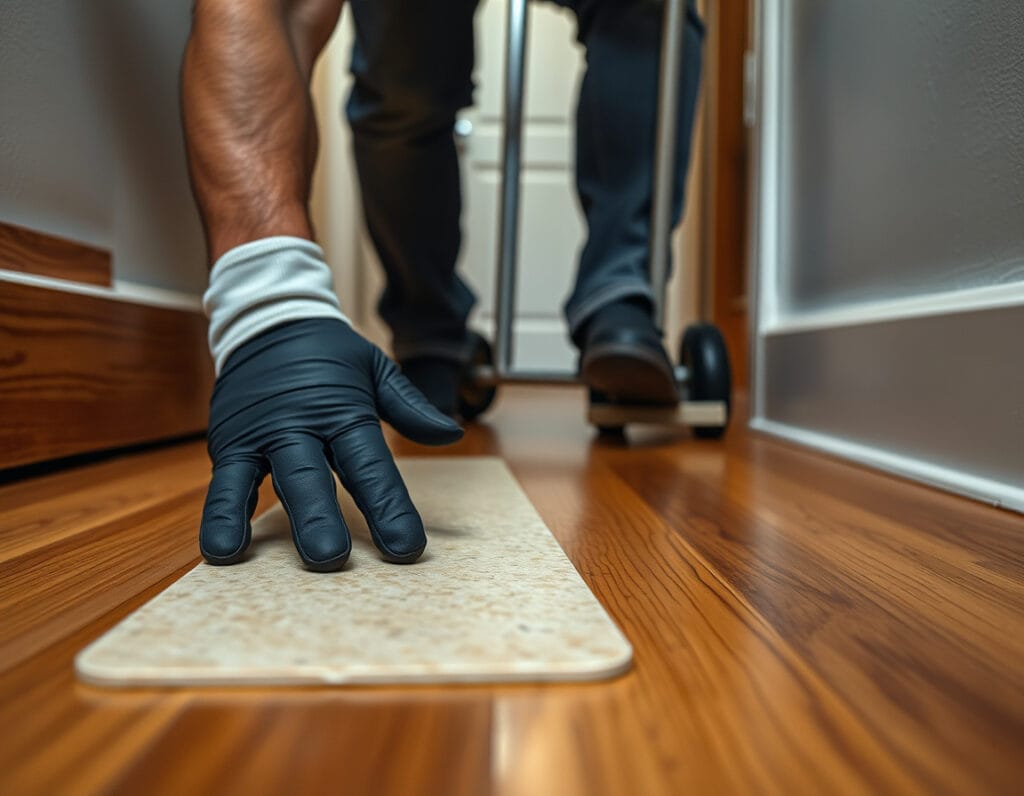
A 400-pound gun safe doesn’t just stress the movers carrying it. It stresses the floors, the door frames, and the stairway railings it passes through. Floor protection systems, including ram board, felt pads, and door jamb protectors, are standard practice for any specialty load. Skipping these steps to save time is how a move that started fine ends with a repair bill. Ask any crew you’re considering whether they carry these materials as a matter of course, not as an add-on. The answer tells you a lot about how they operate.
Vetting the Right Crew for High-Value Belongings
Hiring movers for a standard bedroom set is a relatively forgiving process. Hiring movers for a Steinway grand or a set of framed oil paintings is not. The stakes are higher and the margin for error is smaller. There are a few concrete things to look for before you sign anything.
First, check licensing and insurance. Any reputable mover operating in Arizona should be able to show you their credentials. The Arizona Corporation Commission maintains public records on registered carriers. If a company can’t point you to verifiable documentation, that’s a clear signal to keep looking. You can also review what proper moving insurance coverage looks like before committing to any crew.
Second, ask specifically about their experience with your item type. A crew that has moved dozens of pianos will handle a baby grand differently than one that’s done it twice. Same goes for antiques, large aquariums, or marble-top furniture. Ask how they would approach your specific item, what equipment they’d bring, and whether they use custom crating or sourced crating for fragile pieces.
Third, request a written inventory list and make sure the bill of lading reflects the actual value of what’s being moved. Standard valuation coverage is based on weight, not replacement cost, which means a 50-pound painting worth $4,000 gets priced like a 50-pound box of books. Understanding how liability coverage works before the truck leaves your driveway is not optional when specialty items are involved. If something does go wrong, knowing how to file a claim correctly makes a real difference in what you recover.
Questions to Ask Before You Book
A short phone call with a mover can tell you a lot. Ask whether the crew who shows up will be employees or day-labor contractors. Ask whether the truck is owned by the company or rented for the job. Ask what happens if something is damaged and who handles the claim. These aren’t aggressive questions. Any licensed and insured moving company worth booking will answer them without hesitation. If the person on the phone gets evasive, that’s your answer too. The Federal Motor Carrier Safety Administration’s Protect Your Move resource covers what rights you have as a consumer and what documentation to expect before any move begins.
Frequently Asked Questions About Specialty Item Moving
How much does it cost to move a piano in the Tucson area?
Piano moving costs vary based on the type of piano (upright, baby grand, or full concert grand), the distance of the move, the number of stairs involved, and whether the destination requires any narrow corridor navigation. In the Tucson area, upright piano moves typically range from $150 to $350 for local jobs, while grand pianos can run $300 to $600 or more depending on complexity. Always get an in-person or photo-based quote rather than a flat phone estimate, since crew setup and equipment needs vary significantly by location.
Can a standard moving crew handle antiques and high-value artwork?
Not reliably. Standard residential crews are trained for volume and speed, not for the specific handling techniques that antiques and artwork require. High-value pieces often need custom crating, acid-free padding materials, and climate-aware transport planning. A crew experienced in white-glove and specialty moves will assess each item individually rather than treating it like standard furniture. If you’re unsure whether your items qualify, describe them in detail when you request a quote and ask what the crew’s specific approach would be.
What should I do if a specialty item is damaged during a move?
Document the damage immediately with photos before anything is moved or cleaned up. Note the damage on the delivery paperwork before signing. Contact the moving company in writing within the timeframe specified in your contract, which is often 30 to 60 days for standard claims. Make sure you have records of the item’s pre-move condition, ideally photos taken before the crew arrived. For high-value items, third-party appraisal documentation prior to the move strengthens any claim significantly. You can review the claims process with E-Z Move Tucson directly through the claims page to understand what information you’ll need.
Moving specialty items in the South Mission Road corridor and the surrounding neighborhoods takes planning, the right equipment, and a crew that has actually done this kind of work before. E-Z Move Tucson handles specialty loads with the preparation they require, whether that’s a piano move across the city, an antique piece heading toward Green Valley, or a gun safe that needs to go up a flight of stairs without scratching a single surface. If you have items that need more than a standard crew, reach out to E-Z Move Tucson to talk through your specific situation and get a quote that actually reflects what you’re moving.