
Moving Storage Solutions in Tucson: What to Know Before Your Move
Why Short-Term and Long-Term Storage Matters During a Tucson Move
Relocating in southern Arizona rarely goes in a straight line. Builder timelines slip. Lease end dates and move-in dates don’t line up. A home sells faster than expected, and suddenly you’re living out of boxes for six weeks. These are real scenarios that happen constantly to residents near the South Tucson corridor, along Kino Parkway, and throughout the neighborhoods stretching from the I-10 interchange down toward Valencia Road. When your move timeline has a gap in it, storage and warehousing solutions become just as important as the truck and the crew.
The coordinate at the heart of this area sits close to the Kino Sports Complex and the communities that flank South Sixth Avenue. People moving into or out of this part of the city tend to face specific logistical challenges: tight apartment layouts, distance from major freeways during peak traffic, and summer heat that makes storing temperature-sensitive items a genuine concern. A warehouse facility that keeps furniture, electronics, and household goods in a climate-controlled environment isn’t a luxury here. It’s often a necessity.
If you’re coordinating a residential move and need a buffer between your old place and your new one, check out the storage solutions available through E-Z Move Tucson to understand what options exist before you commit to a timeline.
The Gap Between Move-Out and Move-In
The most common reason people need short-term storage during a move is simple: the dates don’t match. Your landlord needs you out on the 30th, but your new place isn’t ready until the 15th of next month. That’s two weeks of somewhere for everything you own to go. In the neighborhoods near Irvington Road and the Ajo Way corridor, apartment complexes often have strict move-out rules that don’t flex. Having a pre-arranged warehouse solution takes that pressure off entirely.
Some families also stage their home before selling, which means furniture goes into storage while the home is on the market. Others are downsizing from a larger property and need time to sort through what stays and what goes. Every one of those situations calls for a reliable holding space, not just a rented truck sitting in a driveway.
Heat and What It Does to Your Belongings
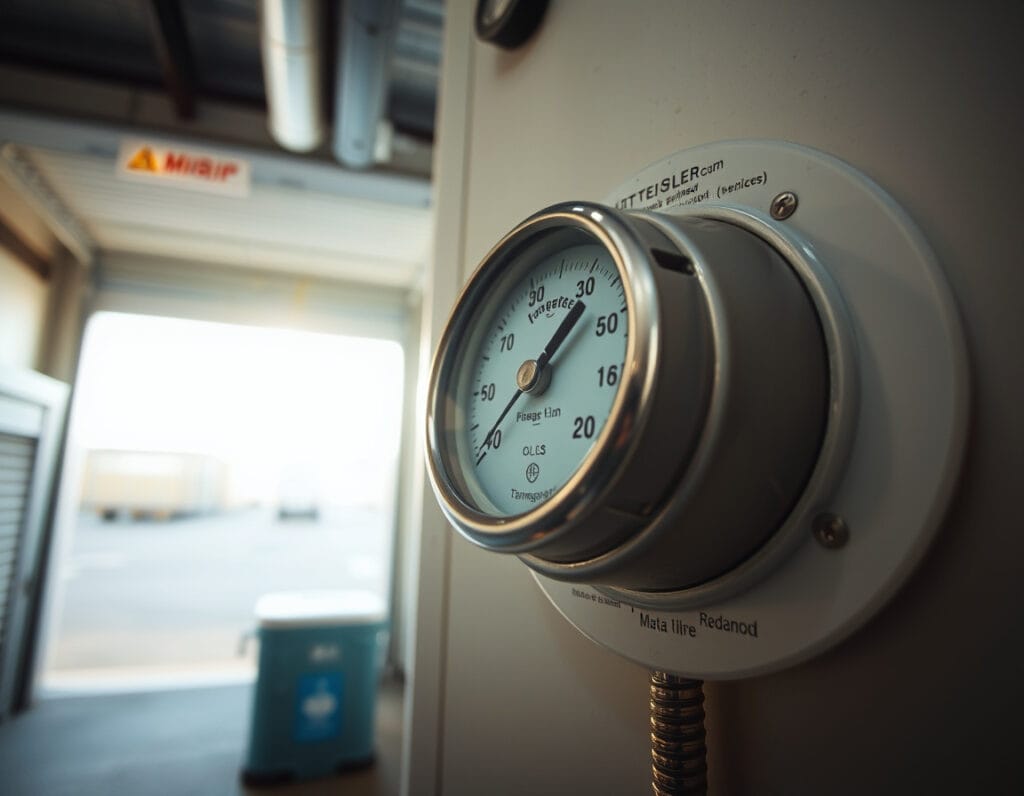
Tucson summer temperatures regularly exceed 105°F. A standard self-storage unit with no climate control can hit 130°F inside during July. That’s enough to warp wood furniture, crack vinyl records, ruin artwork, and destroy electronics. Climate-controlled warehousing keeps items in a stable environment, typically between 55°F and 85°F year-round. If you’re storing anything made of wood, leather, canvas, or containing batteries, the type of facility you choose matters a great deal. This is one area where cutting corners creates expensive problems.
How Professional Movers Handle Warehousing Differently Than Storage Rentals
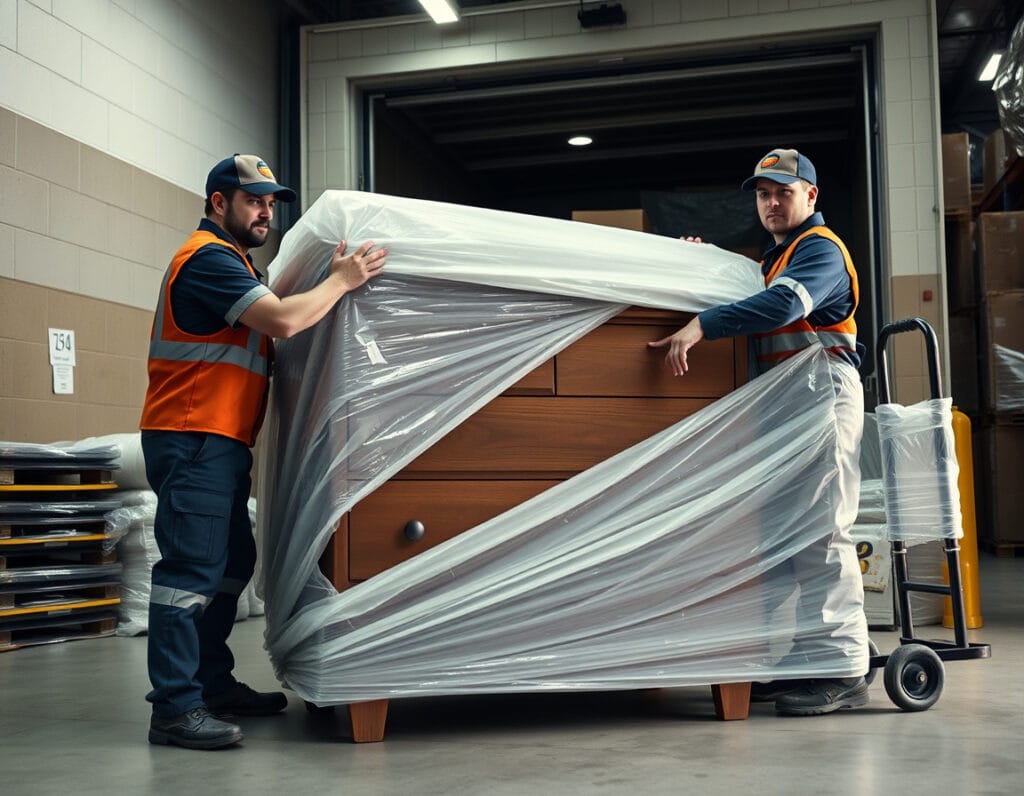
There’s a real difference between renting a storage unit yourself and using a full-service moving company that includes warehousing as part of its operation. When you rent a unit on your own, you’re responsible for getting items there, loading them correctly, and making sure nothing gets damaged in transit or while sitting. When a professional, licensed moving crew handles warehousing, your items are inventoried, wrapped in moving blankets or shrink wrap, placed on pallets, and tracked from the moment they leave your home.
For residents near the South Park neighborhood or those coming from the Grant Road area, coordinating a single move that includes a warehouse stop is often cleaner and cheaper than making multiple trips. The crew loads everything once, stores it properly, and delivers it when your new location is ready. You’re not driving a rented van back and forth across the city in triple-digit heat.
It’s also worth understanding what happens when something goes wrong. A full-service mover carries moving insurance and liability coverage that applies during storage periods, not just during transport. Read through what’s covered under moving insurance options before you sign any contract, because coverage gaps during warehouse holds are more common than people expect.
What a Proper Warehouse Inventory Looks Like
A reputable mover won’t just stack your things in a corner and hand you a key. A proper warehousing process starts with a written inventory list that documents every item, its condition, and its location in the warehouse. Each box and piece of furniture gets tagged. When delivery happens, that same inventory gets checked off. This is the kind of process that protects both you and the mover if a dispute arises later, and it’s the standard you should hold any company to before you hand over your belongings.
Ask specifically whether the warehouse is secured, whether it’s monitored, and whether the facility is covered under the mover’s insurance policy or a separate commercial property policy. These are not unreasonable questions. Any company worth hiring will answer them clearly and without hesitation.
Coordinating Delivery After a Warehouse Hold
Getting items out of a warehouse and into your new home is its own logistical task. The crew needs to know about delivery window constraints, whether your new building has a loading dock, elevator access, or restrictions on move-in hours. Apartment complexes near Alvernon Way and East 22nd Street, for example, sometimes require advance booking for elevator use during moves. Knowing these details in advance prevents delays and extra fees. A walkthrough of what to expect on arrival day helps enormously. The guide on moving day coordination covers this step-by-step.
Choosing the Right Storage Option for Your Specific Situation
Storage needs vary widely. A student moving out of a place near the University of Arizona at the end of May has different needs than a family downsizing from a four-bedroom house in Rita Ranch. The student might need a few weeks of storage for a couch, a bed, and a dozen boxes. The family might need six months of climate-controlled space for furniture they haven’t decided whether to keep. Matching the storage type to the actual situation saves money and prevents headaches.
For moves that involve more complex logistics or longer timelines, it helps to look at the full range of available moving services to understand what’s bundled and what’s billed separately. Some companies offer a flat-rate warehouse hold for 30 days as part of a move package. Others charge per cubic foot, per month, with additional fees for access. Know what you’re agreeing to before you sign.
When a Move Involves Multiple Stops
Some moves aren’t point A to point B. A couple splitting up might need items routed to two different addresses. An estate move might require furniture to go to a warehouse while the family decides what gets donated, sold, or kept. A commercial relocation from an office near the Kino Parkway Business District might need workstations stored while a new space is being finished out. These multi-stop scenarios are where having an experienced, insured and bonded mover with actual warehouse capacity makes a tangible difference over a van-and-a-prayer operation.
If you’re uncertain whether your situation qualifies as residential or commercial, or whether you need standard storage versus something more specialized, the local moving resource guide is a solid starting point for sorting through your options.
Frequently Asked Questions About Moving Storage in Tucson
How long can I keep my belongings in a moving company’s warehouse?
This varies by company and contract. Many full-service movers offer short-term warehouse holds of 30 to 90 days as part of a move package, with monthly extensions available at an additional cost. Some companies also offer longer-term storage for six months or more. Always confirm the terms in writing before your items are loaded, and ask whether your belongings remain covered under the mover’s insurance during the entire hold period, not just during transport.
Is a mover’s warehouse storage safer than renting a self-storage unit?
For most household goods, yes. A moving company’s warehouse typically uses pallets, moving pads, and shrink wrap to protect items during storage. Your belongings are inventoried and tracked, and they’re handled by trained crew members rather than being moved by you in a rented truck. Self-storage units vary wildly in quality, climate control, and security. If you’re storing wood furniture, electronics, or fragile items, the controlled environment and professional handling of a mover’s warehouse is usually the better choice, especially during Tucson’s summer months.
What happens if something is damaged while in storage?
If your items are stored through a licensed, insured moving company, you have the right to file a claim against the mover’s liability coverage. The process typically starts with documenting the damage against the original inventory list created at pickup. Make sure you understand the difference between released value protection and full value protection before your move begins, since the type of coverage affects how much you can recover. You can review the claims process to know exactly what steps to take if something goes wrong during a warehouse hold.
Ready to Sort Out Storage for Your Upcoming Move?
If your move involves a gap between homes, a staging situation, a multi-stop delivery, or just the very real concern of Tucson’s heat damaging your belongings, storage is worth planning early. E-Z Move Tucson offers warehouse storage as part of a connected moving process, so your items don’t change hands between a mover and a separate storage operator. One crew, one inventory, one point of contact. Reach out to E-Z Move Tucson directly to talk through what your timeline looks like and get a clear picture of what storage will cost as part of your move. The earlier you book, the more flexibility you have, especially during the busy spring and summer moving season when warehouse space fills up fast.