
International Moving From South Tucson: What You Need to Know Before You Ship
What International Movers Near South Tucson Actually Do Differently
Most people moving across town or even across state lines deal with a fairly predictable set of logistics. International relocation is a different animal entirely. When you’re shipping your belongings from the South 12th Avenue corridor or the neighborhoods near Pueblo High School to a home in another country, the process involves customs documentation, overseas freight coordination, and timelines that can stretch from six weeks to several months. That’s before a single box gets taped shut.
The area around South 16th Avenue and West Ajo Way is home to a tight-knit mix of families and long-term residents, many of whom have ties across the border or to countries further abroad. For these households, international relocation isn’t an abstract concept. It’s something they plan carefully, often years in advance. Finding a licensed and insured moving company that can actually manage an overseas shipment, not just a local truck rental, is where most people run into trouble.
There’s a real difference between a mover who hands your freight off to a third-party broker and one who coordinates the full shipment. Before you book anyone, it’s worth understanding what an international move actually requires: a bill of lading, a detailed inventory list, country-specific import permits, and in many cases, formal customs clearance at both origin and destination. If your mover can’t explain those steps clearly, that’s a warning sign. Our guide on how to avoid moving scams breaks down the red flags worth watching before you sign anything.
Coordinating Freight From the South Side
For residents near DaVita Tucson South Dialysis on South 16th Avenue, or families on the blocks around Fry’s Pharmacy, getting furniture and household goods to a port of departure takes planning. The nearest major freight terminals are outside the city, which means your shipment typically moves by truck from pickup to a consolidation warehouse before it even reaches a shipping container. That trucking leg is part of the cost estimate, and it varies depending on how much cubic footage your shipment occupies, whether you’re doing a shared container load or a full dedicated container, and the final destination country’s import regulations.
One thing worth knowing: door-to-door international service is available from reputable movers, but it comes at a premium. You’re paying for the coordination between the domestic leg, the overseas freight carrier, and the delivery crew at the destination. That chain of custody is what protects your belongings, and it’s also what makes a flat-rate quote from a credible carrier so much more reassuring than a low-ball bid that doesn’t mention port fees or destination customs charges.
Preparing Your Home and Belongings for an Overseas Shipment
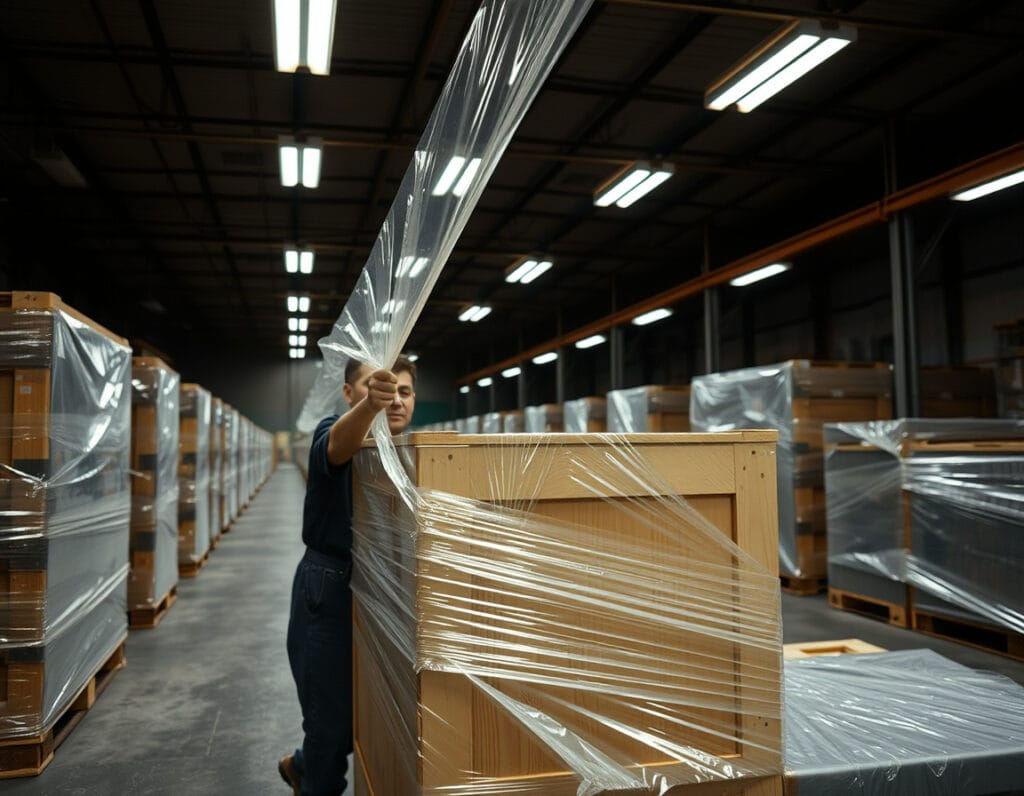

The physical preparation for an international move is more involved than a standard local or long-distance relocation. Customs agencies in most countries require a detailed inventory, often with approximate values assigned to each item. Fragile items like antiques, artwork, or specialty electronics need crating, not just cardboard boxes. Mattresses get shrink wrapped. Furniture that can be disassembled should be, both to save space in the container and to reduce the risk of damage during the ocean transit, which can run anywhere from two weeks to two months depending on the route.
If you’re leaving from the South Tucson area, take stock of what’s actually worth shipping internationally. The cost of moving a sofa or a mid-range appliance overseas often exceeds its replacement value at the destination. Packing and unpacking services from a professional crew who understand international freight standards can save you from costly customs hold-ups caused by improperly packed or mislabeled items. You can read more about what that kind of preparation looks like on our packing and unpacking services page.
Understanding Valuation and Liability on International Shipments
One of the most overlooked aspects of an international move is what happens when something is damaged. On a domestic move, liability coverage rules are set by federal law. On an international shipment, coverage depends on which carrier segment the damage occurs in. The ocean freight carrier has its own terms. The destination-country delivery crew may have separate liability rules governed by local law. This is why understanding your moving insurance options before the shipment leaves is so important. Our moving insurance overview explains the types of valuation available and what each actually covers in practice.
The Federal Motor Carrier Safety Administration’s Protect Your Move resource is a solid starting point for understanding your rights on the domestic leg of any international shipment. For the overseas portion, checking the import regulations of your destination country through that country’s customs authority is a step most movers won’t remind you to take, but it matters a great deal.
Timing an International Move Out of the Tucson Area
Timing is one of the trickier variables in international relocation planning. Port congestion, seasonal freight demand, and the visa or residency timelines at your destination all affect when your container actually ships and when it arrives. Planning your pickup date at least eight to twelve weeks before you need your belongings at the other end is a reasonable baseline for most destinations. For moves to parts of Southeast Asia, South America, or West Africa, longer lead times are common.
Residents in the neighborhoods between Pueblo High School and the West Ajo Way corridor often have school-year schedules to work around, which makes summer the busiest window for departure. That peak demand period means container space books up faster. Reaching out to a reputable, licensed mover early in the year for a summer international shipment is not overcautious. It’s just practical. Our moving day coordination guide walks through how to structure your final days before departure so nothing gets left behind or overlooked in the chaos of an international move-out day.
What Happens to Items You Can’t Take Across Borders
Every country has a list of prohibited or restricted imports. Soil, certain wood products, some foods, firearms, and specific chemicals are commonly restricted. Your mover should screen your inventory against those restrictions before the shipment is sealed, but ultimately the responsibility sits with you as the shipper. Items seized at customs don’t come back, and you don’t get reimbursed for them. Donating, selling, or placing restricted items in local storage before your move-out date is the cleanest solution. For anything you want to keep accessible while you’re getting settled abroad, our storage solutions page covers local options worth considering.
For a broader look at international relocation standards and documentation requirements, the FIDI Global Alliance FAIM accreditation standard outlines what certified international movers are expected to maintain. It’s a useful benchmark when you’re trying to compare carriers and figure out which ones actually know what they’re doing versus which ones are winging it.
Frequently Asked Questions
How far in advance should I book an international move from the Tucson area?
Eight to twelve weeks before your target departure is a practical minimum for most international destinations. If you’re moving during the summer months, which is peak season for families near Pueblo High School and across the South 12th Avenue neighborhoods, add another two to four weeks of lead time. Port availability, container scheduling, and documentation prep all take longer than most people expect the first time they do it.
Will my domestic moving company handle the entire international shipment, or do I need a separate freight company?
It depends on the mover. Some full-service companies coordinate the entire chain, from pickup at your home to delivery at your destination abroad. Others hand the shipment off to an international freight broker after the domestic leg. Ask specifically whether the company holds an ocean freight forwarder license or partners with an accredited international carrier. If they can’t give you a clear answer, get quotes from someone who can. Reading through our page on how to avoid moving scams can help you ask the right questions before you commit.
What items are typically excluded from international shipments?
Most international carriers won’t ship hazardous materials, perishable foods, plants, live animals, or items that are legally restricted at your destination country. Currency and negotiable documents are also typically excluded. Your inventory should be reviewed against both your carrier’s exclusion list and your destination country’s customs regulations before your shipment is sealed. Items flagged at customs can delay your entire container, not just the restricted items themselves.
Working With a Local Mover That Understands the Full Picture
Choosing the right company for an international shipment means finding someone who handles more than the truck that pulls up to your driveway. E-Z Move Tucson works with residents across the South Tucson area, including families near South 16th Avenue and the West Ajo Way neighborhood, to make sure the domestic portion of the move is handled correctly before the freight ever leaves the city. That means a proper inventory, correct packing standards for ocean transit, and clear communication about what happens next at every step of the shipment.
If you’re relocating abroad and want a team that’s transparent about what they can handle directly versus what they coordinate through certified international partners, E-Z Move Tucson is a practical starting point. Browse our full moving services overview to see the scope of what we offer, or check our customer reviews to get a sense of how we handle complex moves. When you’re ready to get the process started, reach out to our team and let’s talk through your timeline and destination before anything else.