
Moving Storage in Tucson: What to Know Before You Book a Warehouse Solution
Why Storage Bridges the Gap During a Tucson Relocation
Moving rarely goes in a straight line. The closing date slips by a week. The new apartment isn’t ready until the first of the month. A family downsizing near Orange Grove Middle School on East Orange Grove Road suddenly has three rooms of furniture and no place to put it. These are real situations that happen constantly across the north-central part of Tucson, and they all share the same solution: temporary storage that actually works with your move, not against it.
The area around Oracle Road and Ina Road has seen a steady flow of residential turnover, with families relocating to and from the Casas Adobes corridor, people transferring in from out of state, and longtime locals simply downsizing. In every one of those scenarios, a gap between move-out and move-in dates is common. Without a reliable plan for where your belongings go in that window, you’re either rushing a closing, paying double rent, or stacking boxes in a garage that isn’t yours yet.
Short-term warehouse storage tied directly to your moving service is the cleaner answer. Items get loaded once, inventoried properly with a bill of lading, and held in a secure facility until your drop-off location is ready. That’s far less handling than renting a self-storage unit yourself, hauling things twice, and hoping nothing gets dinged in the process.
If you’re planning a move in this part of the metro, the storage solutions available through a full-service mover are worth understanding before you book anything.
How Inventory Control Protects You in Temporary Storage
One thing people overlook when placing items in storage during a move is documentation. A detailed inventory list isn’t just paperwork — it’s your only proof of what went in and what condition it was in. Reputable moving companies generate this at load time and keep a copy on file. If a question ever comes up about a scratch or missing item, the inventory is what resolves it quickly. Without it, a damage dispute turns into a memory contest, and those rarely end well for the customer.
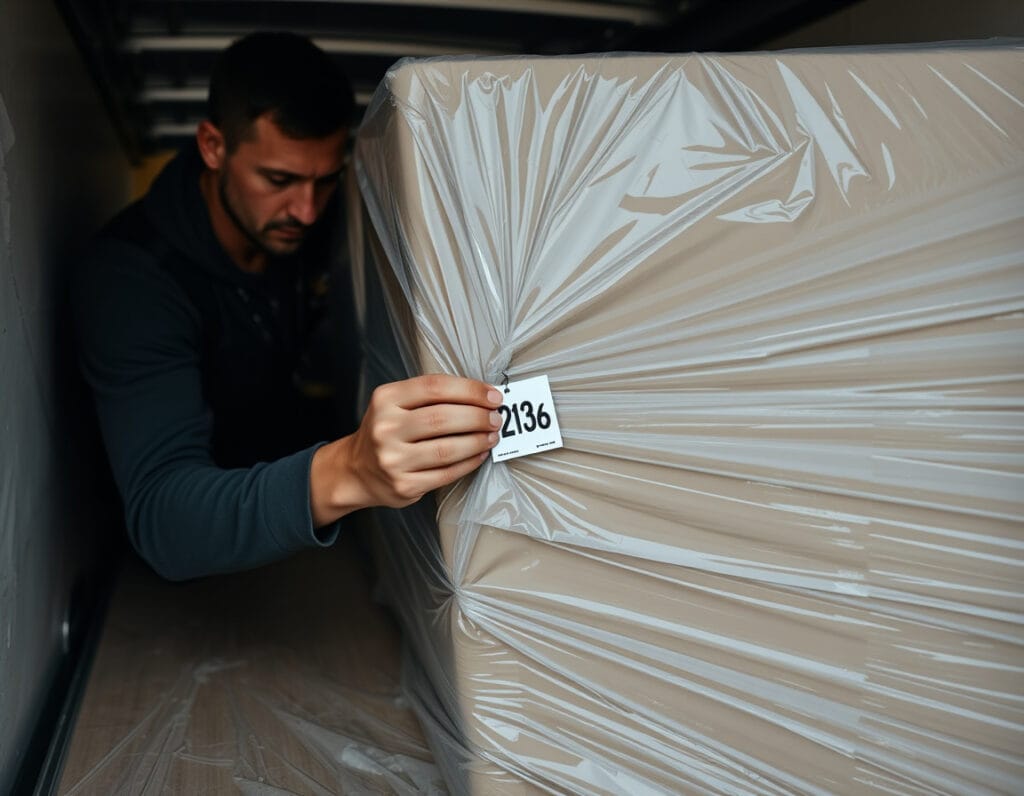
Ask your mover specifically how they handle inventory for stored items. Are items barcoded or tagged? Is the warehouse climate-controlled? These details matter, especially in a desert climate where summer temperatures can reach 110°F and cause real damage to wood furniture, vinyl records, electronics, and anything with adhesive.
Storage Logistics for the Northwest Tucson Corridor

The stretch of land running from the Thornydale Road area up through the neighborhoods feeding into Marana has a particular moving rhythm. Families relocating here often come from other Arizona cities, sometimes as part of a corporate relocation, sometimes for school districts. The Orange Grove Road neighborhood itself borders communities where homes turn over fairly quickly, and buyers sometimes need bridging storage for weeks at a time while construction finishes or renovations wrap up.
This is where working with a licensed and insured mover that also controls the warehouse makes a meaningful difference. When you hire a company that subcontracts storage to a third party, your liability coverage can become murky. You may be covered under the mover’s policy during transport but then fall under a separate policy once items are in the facility. Ask directly: does your valuation coverage follow my items into storage? Get that in writing before signing anything. You can read more about moving insurance and how valuation coverage works to understand what you’re agreeing to.
Residents in the Casas Adobes area specifically deal with longer moving windows because of the size of homes here. Moving services for the Casas Adobes community often involve larger furniture loads, multi-car households, and coordinating access around neighborhood traffic near the Foothills Mall stretch of Oracle Road. All of that adds time, and a storage buffer helps take pressure off the schedule.
Access Rules and HOA Coordination Near New Builds
Some communities north of Orange Grove Road have HOA rules that restrict moving truck access to certain hours or specific entry points. A truck that arrives outside the approved window may be turned away, which means items could sit on the vehicle longer than planned. Having a warehouse staging option gives your crew a fallback. Items go into storage, the mover confirms the HOA window, and delivery is scheduled within the allowed timeframe. That kind of coordination is something a flat-rate rental truck simply can’t offer.
If you’re moving into a newer build in this area, it’s worth reading about what actually happens on moving day so you’re not caught off guard by access logistics at either end of the move.
Choosing Storage That Matches Your Real Timeline
Storage quotes are easy to find online. The harder part is matching the storage period to what you actually need, not what sounds cheapest. A self-storage unit rented month-to-month sounds flexible, but if you’re paying a separate crew to load and unload it, and then paying your mover separately to handle the final delivery, costs stack up fast. You also add two extra handling events, which is where most damage to fragile items occurs.
A full-service moving company that bundles storage into the job limits those extra touches. Items go from your old home onto a padded truck, into a controlled warehouse, and then directly to your new address. One crew, one chain of custody, one point of contact if something goes wrong. For anyone moving near the Tucson metro who wants to avoid the chaos of coordinating multiple vendors, that structure is genuinely worth paying slightly more for.
The local moving resources guide covers a range of service types and can help you figure out which configuration fits your timeline and budget before you start calling around for quotes.
It’s also smart to think ahead about the condition of your stored items. The U.S. Department of Energy’s guidance on temperature and humidity effects on household materials makes clear why climate control matters in desert environments. Wood warps, electronics degrade, and adhesives fail in sustained heat — all things worth protecting against when items are in storage for more than a few days.
When Storage Becomes a Long-Term Need
Sometimes a move stretches longer than anyone planned. A job offer falls through. A family member needs time to settle affairs before a property clears. A renovation runs two months over schedule. In these cases, what started as a two-week storage buffer becomes a two-month arrangement. A reputable mover should be upfront about how billing changes if your storage period extends, whether items can be partially retrieved, and what access looks like for a longer hold.
Don’t assume that a low monthly rate means low total cost. Ask about access fees, minimum periods, and whether you can pull specific items without a full delivery. These are questions worth asking early, before you’ve already committed to a contract. You can also review how to spot moving scams and predatory contracts to avoid getting locked into unfavorable storage terms.
Arizona’s Arizona Corporation Commission mover regulations outline the standards that licensed movers in the state must meet, including requirements around storage-in-transit arrangements. Knowing your rights before you sign a contract puts you in a better position to negotiate.
Frequently Asked Questions About Moving Storage in Tucson
How long can I keep my belongings in moving storage before it becomes more expensive than a self-storage unit?
It depends on the mover’s pricing structure. Most full-service movers offer storage-in-transit at a competitive rate for the first 30 to 60 days. Beyond that, costs can climb. If you know your timeline extends past two months, compare the bundled rate against a self-storage rental plus a separate final delivery fee. For many people, the bundled option still wins because it avoids duplicate handling. Ask your mover for a written rate schedule so you can model both scenarios with real numbers.
What happens to my liability coverage when my items are in the mover’s warehouse?
This varies by company. Some movers extend their valuation coverage through the entire storage period, treating it as a continuous shipment. Others transfer your items to a separate warehouse policy the moment they leave the truck. Always ask for written confirmation of what coverage applies during storage, not just during transport. If you’re unsure what valuation coverage actually means for your belongings, reviewing the basics of moving insurance before you book can prevent surprises later.
Can I access my stored items before the final delivery?
Some movers allow limited access to warehouse storage, but many do not, especially if items are palletized or stored behind other loads. If you think you’ll need to retrieve specific boxes or furniture pieces before your move-in date, confirm this before signing. A company that prohibits all mid-storage access might not be the right fit if your situation is still in flux. Ask about partial deliveries as well, particularly if you’re moving into a home in phases.
Ready to Build a Storage Plan That Works for Your Move
A move that goes smoothly is usually one that was planned with some flexibility built in. Whether you’re relocating from the Orange Grove Road neighborhood, coming in from out of state, or buying a home in the Casas Adobes area where schedules rarely align perfectly, storage gives you room to move without panic. E-Z Move Tucson handles both the physical move and the warehousing side under one roof, which means less coordination stress for you and a cleaner chain of custody for your belongings.
If you’re comparing options or still figuring out what your move actually needs, E-Z Move Tucson is a licensed, insured moving company serving the north-central Tucson area and the broader metro. Reach out through the contact page to talk through your storage and moving needs, or check the full list of moving services to see what’s available for your situation.