
Piano Moving in Tucson: What Northwest Residents Need to Know Before Hiring a Crew
Why Moving a Piano Is Nothing Like Moving Furniture
A piano is not just heavy. It’s structurally complex, acoustically sensitive, and often irreplaceable. A standard upright can weigh anywhere from 400 to 900 pounds, while a baby grand starts around 500 pounds and climbs much higher depending on the brand. The weight alone doesn’t tell the whole story though. The real challenge is the shape, the balance point, and the fact that the internal components — hammers, strings, soundboard, and cast iron plate — can shift or crack under the wrong kind of stress.
Anyone who has watched a general crew try to muscle an upright through a narrow hallway using a standard hand truck knows how badly that can go. Legs snap. Pedals get crushed. Finish gets gouged by a door jamb that nobody measured. These are not freak accidents. They happen when the crew isn’t trained specifically for piano moving, when there’s no proper moving blanket system in place, and when the job gets treated like any other furniture haul.
The neighborhood around Orange Grove Road and La Cholla Boulevard presents its own wrinkles. Homes in this part of Tucson tend to have long driveways, interior layouts with tight turns off the entryway, and in some cases, a few steps up to the front door that require careful rigging. Casas Adobes properties in particular often feature split-level flooring that adds an extra dimension to the job. Good floor protection and a measured approach to rigging the instrument matter more than raw crew size.
The Right Equipment Makes the Difference
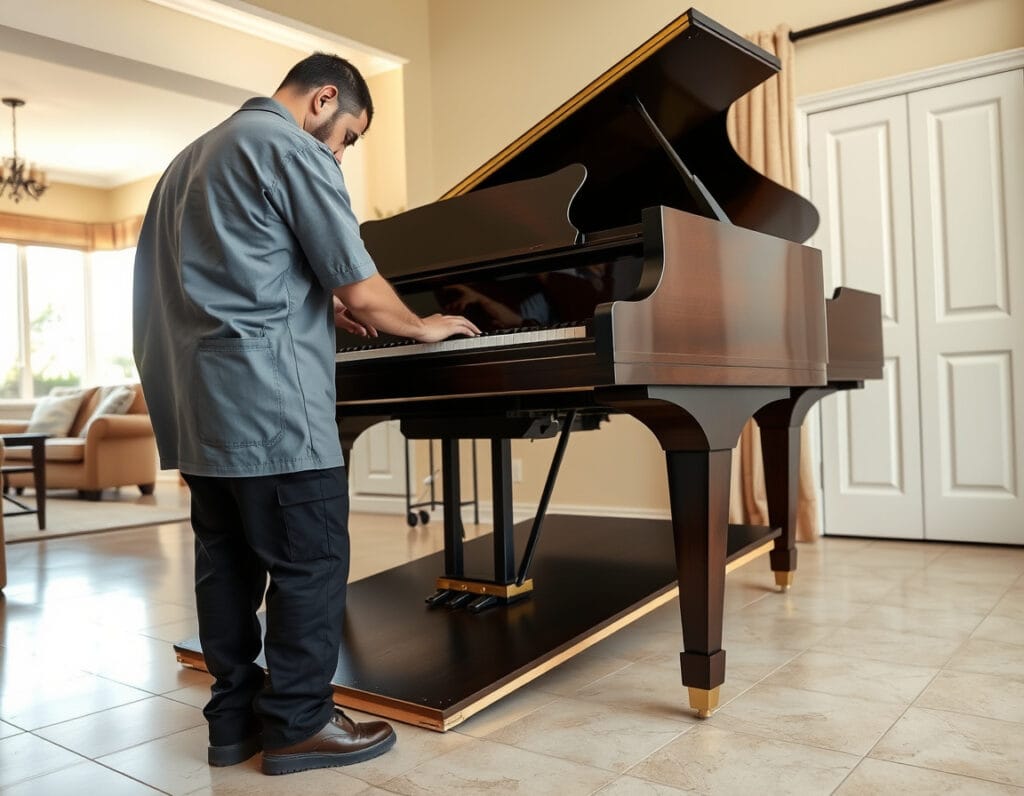
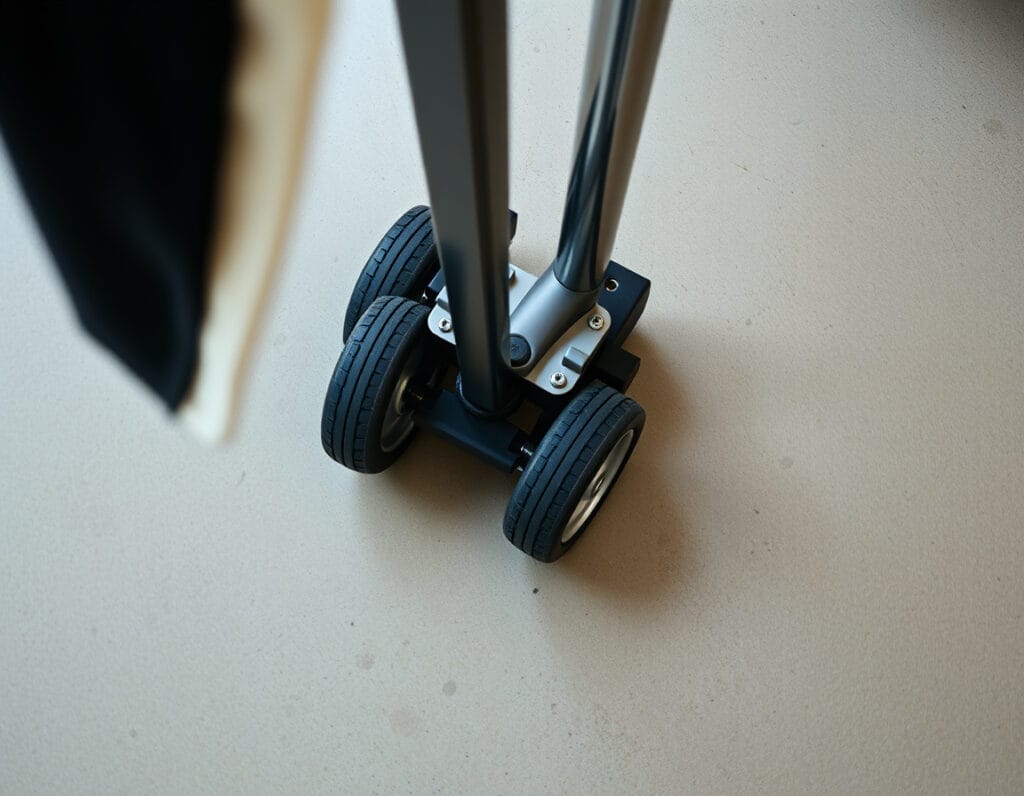
Specialty piano boards, four-wheel dollies designed for uneven weight distribution, and thick moving pads aren’t optional accessories for this kind of move. They’re the baseline. A piano board holds the instrument at a stable angle, keeps the legs from bearing load they weren’t designed to handle, and gives the crew control on ramps and in tight spaces. Shrink wrap protects the finish while the pads absorb contact points. Without these, even a slow and careful move becomes a gamble.
If you’re researching the right crew to hire, the piano moving services page breaks down exactly what a proper piano relocation involves, from disassembly protocols for grands to the specific rigging used for uprights in stairwell situations.
What the Local Terrain Around Orange Grove Actually Means for Your Piano
The coordinate for this area sits just west of Northwest Medical Center on North La Cholla Boulevard, a stretch that feeds into some of the busier residential pockets in the northwest part of the city. The roads here carry heavy traffic during peak hours, and the side streets branching off Orange Grove Road toward the Lee Lee International Supermarkets area include a mix of newer construction and established homes with mature landscaping that can restrict truck access.
Mature mesquite trees and low-hanging block walls are common on lots throughout this corridor. That affects where a moving truck can park, how far the crew needs to hand-carry the instrument before loading, and whether a straight ramp approach is even possible. Every extra foot of carry distance adds risk. A crew that has worked these streets before knows to scout the driveway and measure the doorway before the truck ever arrives.
Residents near Kino College on West Hospital Drive, for instance, are often moving in or out of properties where the parking situation requires the truck to block a lane temporarily. That’s a short window. The load needs to be planned and executed without stalling. For a piano, that means the instrument is prepped, padded, and positioned before it ever leaves the room.
Timing, Access, and HOA Rules in Northwest Tucson
Several communities along and just off Orange Grove Road fall under HOA oversight, which can mean restrictions on moving hours, elevator reservations if applicable, and requirements for floor protection in shared lobbies. Ignoring these details doesn’t just cause friction with neighbors. It can result in damage liability that falls on you rather than the moving crew.
Getting the logistics squared away before moving day is the part most people underestimate. The moving day coordination guide covers the sequence of steps that help a piano move go smoothly, from scheduling the right crew size to confirming route clearance inside your home. It’s worth reading before you book anyone.
For residential moving that involves a piano specifically, check whether the company you’re considering carries the right liability coverage for high-value instruments. Most standard moving insurance policies have instrument carve-outs. Knowing what’s covered before you sign anything protects you from a nasty surprise after the fact. The moving insurance overview page explains how valuation works and what questions to ask any crew before committing.
Finding a Crew You Can Actually Trust With a Valuable Instrument
The search results for this part of Tucson are cluttered with businesses that have nothing to do with relocation. Medical imaging centers, dental practices, and apartment complexes rank for moving-related searches in this corridor, which means it takes more effort to find a legitimate, licensed and insured moving operation that specializes in piano work.
When you’re vetting any crew, ask directly whether they have moved grands and uprights before, how many, and what equipment they bring specifically for pianos. A crew that pauses on those questions or gives vague answers is telling you something. A reputable operation will give you specifics without hesitation: piano board, four-wheel dolly, pad wrapping protocol, and whether they handle disassembly of grand piano legs on-site.
E-Z Move Tucson serves this part of the city and brings trained crews who know the difference between a standard appliance move and a piano relocation. The approach to a 600-pound studio upright versus a 7-foot concert grand is different at every stage, from the equipment loaded on the truck to the way the crew positions themselves at each lift point.
Red Flags That Signal a Crew Isn’t Piano-Ready
Watch for any company that quotes a piano move the same way they quote a couch. Flat-rate pricing that doesn’t account for instrument type, floor count, distance from door to truck, or stair configurations is a sign the crew is guessing. Pianos require a proper site survey or at minimum a detailed phone consultation before a legitimate quote gets issued.
It’s also worth checking the company’s credentials. Licenses and credentials should be verifiable. Any hesitation to share license numbers or proof of bonding is a red flag. The moving scams guide covers the specific tactics used by unqualified operators and how to spot them before you’ve handed over a deposit. Protecting a valuable instrument starts with protecting yourself in the booking process.
Residents near the Catalyst Pain Solutions building on West Orange Grove Road or anywhere along this northwest corridor have access to professional piano moving crews without having to look far. The key is knowing what to ask and who to trust with something that can’t be replaced.
Frequently Asked Questions About Piano Moving in Tucson
How long does a local piano move typically take?
For a local move within Tucson, an upright piano relocation usually takes between one and two hours from start to finish, depending on access, stair count, and distance between origin and destination. A grand piano with leg disassembly and full pad wrapping can run two to four hours. These estimates assume a properly equipped crew of at least three people. Undercutting the crew size to save money almost always adds time and risk to the job.
Does a piano need to be tuned after it’s moved?
Yes, in almost every case. The tension on a piano’s strings is calibrated over time to the specific humidity and temperature of the room it lives in. Relocation, even a short local move, disrupts that equilibrium. Professional piano technicians generally recommend waiting two to four weeks after the move for the instrument to acclimate to its new environment before scheduling a tuning. Moving the piano back to pitch too soon can cause the tuning to drift again quickly.
What’s the difference between a regular moving crew and a piano-specific crew?
A general moving crew is trained to handle furniture, boxes, and appliances safely. A piano-specific crew brings additional training around weight distribution on an instrument where the center of gravity shifts depending on the type, the angle of carry, and the terrain. They also carry equipment that a standard crew doesn’t have: piano boards, four-wheel skid boards designed for uneven loads, and pad systems built for the specific contact points on uprights and grands. The difference shows up most clearly on stairs, tight turns, and loading ramps, which is exactly where pianos get damaged.
When you’re ready to schedule a piano move in this part of the city, E-Z Move Tucson is worth calling before you commit to anyone else. The crew is trained for this type of relocation, the equipment is appropriate for the job, and the process is straightforward from first contact to final placement. Reach out through the contact page to get a proper quote based on your specific instrument and location.