
Storage During a Move in Tucson: What You Need to Know Before Moving Day
Why Short-Term Storage Matters When You’re Between Homes in Tucson
Moving timelines rarely line up perfectly. Your lease ends on the 30th, but the keys to your new place aren’t available until the 5th. Or you’re buying a home near the Santa Rosa Recreation Center and Park off South 10th Avenue and the closing got pushed back two weeks. These gaps happen constantly, and they leave families scrambling to figure out what to do with an entire household’s worth of belongings.
This is where short-term storage during a move becomes less of a luxury and more of a practical necessity. The neighborhoods around South 5th Avenue and South 10th Avenue see a steady churn of residents moving in and out, partly because of the mix of families, students, and long-term locals in the area. Having a storage plan ready before moving day saves a lot of headaches.
Families near Drachman Montessori K-8 Magnet School often face this exact situation mid-school year, needing to move without disrupting their kids’ schedules. A short bridge-storage window gives you the flexibility to move out on time, keep the kids in class, and move into the new place when it’s actually ready.
Tucson’s Heat Changes the Storage Equation
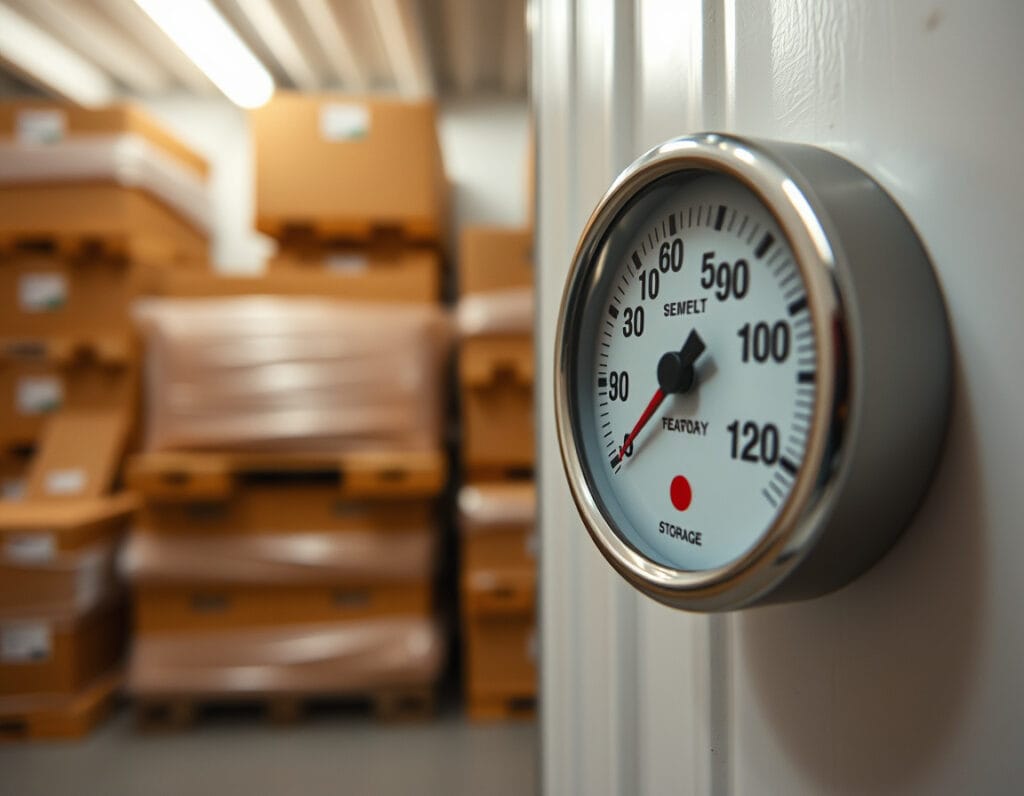
One detail that catches a lot of people off guard: the heat here is not forgiving to stored belongings. Summer temperatures in Tucson regularly push past 105°F, and a standard non-climate-controlled unit can hit 140°F or higher inside. Wooden furniture warps. Vinyl records melt. Electronics degrade. Even photographs can stick together. When you’re comparing storage options during a move, climate-controlled units aren’t optional for anything that holds real value. According to the City of Tucson’s official resources, extreme heat advisories affect the region for months at a stretch, which reinforces why temperature management matters for stored goods as much as it does for people.
Ask any storage provider specifically about their unit temperature ranges during peak summer months. If they can’t give you a number, that’s worth knowing before you sign anything.
What to Look for in a Moving Company That Handles Storage
Not every moving company offers storage, and not every company that offers storage handles it well. The difference matters a lot when your furniture is sitting in a warehouse for two weeks rather than one afternoon in a truck.
The key things to confirm before you book: Is the storage licensed and insured as a separate facility, or is it just space in the back of a warehouse? Does your moving insurance coverage carry over while items are in storage, or does it lapse the moment they leave the truck? What’s the security situation, camera coverage, access control, and fire suppression?
A full-service moving company that manages your belongings from pickup through storage and into your new home is handling far more liability than one that just drives a truck across town. That’s why it’s worth checking licenses and credentials carefully, not just star ratings. The American Moving and Storage Association maintains industry standards that legitimate movers follow, and it’s worth checking whether your mover is aligned with those guidelines before you sign a bill of lading.
Questions Worth Asking About Warehouse Storage Specifically
Warehouse-style storage used by moving companies differs from the self-storage facilities you’d rent directly. With a moving company’s warehouse, your items typically go onto a pallet or into a vault, and crew members are the ones handling access rather than you. That’s convenient, but it also means you need clarity on a few things up front.
How is your inventory documented when items go in? Is there an inventory list with photos or written condition notes? What’s the process for filing a claim if something comes out damaged? What happens if you need to retrieve a single item before the full move-out date? These aren’t hostile questions. Any reputable, reliable operation will answer them easily. If the answers feel evasive, keep looking. You can review E-Z Move Tucson’s claims process directly to understand how damage and loss situations are handled.
Portable Containers vs. Warehouse Storage: Picking the Right Fit
Two main storage formats come up in local moves: portable containers dropped at your driveway, and warehouse vaults managed by the moving company. Each has a different use case.
Portable containers work well when you’re staying close to your current address and want easy access to your items during the transition. They sit outside your home, you load them on your schedule, and the container company picks them up when you’re ready. The downside in this area: shade is not always available on residential streets near South 6th Avenue or South 10th Avenue, and an exposed container in full Arizona sun has the same heat problem as a non-climate-controlled unit.
Warehouse storage through a professional moving company is often a better fit when you’re relocating a significant distance within the metro area or doing a long-distance move where items need to be held before final delivery. The crew handles the loading and unloading, the items stay in a controlled environment, and you don’t need to manage logistics on two fronts at once. For residents moving toward the Rincon Heights corridor or out toward the south side, coordinating that kind of bridge storage with the main move saves a separate trip. See E-Z Move Tucson’s storage solutions for a breakdown of what’s available locally.
Matching Storage Duration to Your Move Timeline
Short-term storage during a move usually falls into three windows: under a week, one to four weeks, or one to three months. Each comes with different pricing structures and different levels of access flexibility.
Under a week is common when there’s a day or two gap between move-out and move-in. One to four weeks covers most closing delays, lease overlaps, or home renovation holds. Beyond a month, you’re often better served by a dedicated storage unit rental rather than paying per-diem rates through a mover’s warehouse. Ask for a written quote that breaks out the storage fee separately from the transport cost. That way you can compare apples to apples if you’re getting multiple bids. Local residents in this part of the city can also check available current coupons to reduce the total cost of a move that includes a storage component.
Frequently Asked Questions
Does my moving insurance cover items while they’re in storage?
It depends on the policy and how the storage is structured. With some full-service movers, your valuation coverage extends through the storage period as long as the company controls the items continuously. With others, coverage lapses once the truck is unloaded. Always ask for this in writing before you commit. If you need a clearer picture of what’s covered, reviewing the moving insurance options available through your mover is a good starting point.
How do I know if a moving company’s storage facility is actually climate-controlled?
Ask for the temperature range the facility maintains year-round, not just in winter. In Tucson’s climate, a legitimate climate-controlled facility should maintain interior temperatures below 80°F even during peak summer. Some companies use the term loosely to mean “indoors,” which is not the same thing. You can also check with the Federal Motor Carrier Safety Administration for licensed mover records, and ask to see the storage facility in person before committing.
What’s the difference between a moving company’s warehouse storage and a self-storage unit?
With a moving company’s warehouse, your items are typically stored in a vault or on a pallet, and the company’s crew handles all access. You won’t be walking in yourself to grab a box. With self-storage, you rent a unit directly and access it on your own schedule. Warehouse storage is more hands-off and usually better suited to bridge storage during an active move, while self-storage gives you more ongoing flexibility if your timeline is uncertain. For moves in and around the South 5th Avenue and South 10th Avenue neighborhoods, local moving services that bundle storage tend to simplify the whole process.
If your next move involves any gap between move-out and move-in, storage planning deserves as much attention as the move itself. E-Z Move Tucson handles both sides of that equation, from the truck to the warehouse and back, so nothing gets left in limbo. Whether you’re a few blocks from Santa Rosa Park or heading across the metro, the team can walk you through storage options that actually fit your timeline and protect your belongings from the heat. Reach out through the contact page to get a quote that includes your storage window, or browse the full list of moving services to see everything that’s available.